
Archive Record
Images
Metadata
Title |
An Interview with Butch Ellis |
Catalog Number |
2021.074.160 |
Object Name |
Recording, Video |
Scope & Content |
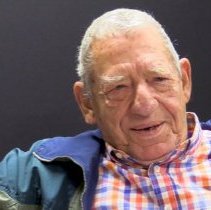
An Interview with Butch Ellis >>Oral history interview with Butch Ellis, Wall, SD, October 11, 2023 INTERVIEW SUMMARY Butch Ellis was born on June 7, 1941, in Jacksboro, Texas, a small oil and ranching town where his father operated a dairy. Growing up on the farm taught him the value of hard work—he jokes that he milked a cow on his first date with the woman who became his wife, Diana. After earning a degree in range management as part of the first graduating class from his college, Ellis was recruited by the Forest Service despite never having set foot in a national forest. He chose an offer on the San Juan National Forest in Mancos, Colorado, beginning a career that would span decades across the West. Arriving in Colorado in the late 1960s, Ellis quickly adapted to mountain life and the heavy snows of the San Juan. Range management was still a new discipline, and he believes he may have been the first formally educated range conservationist to become a district ranger in Region 2. At the time, the agency strongly favored foresters for leadership positions, a tradition that shifted following the 1970s Consent Decree, which opened advancement opportunities to professionals from other disciplines and to women. Ellis spent his early years working with ranchers and grazing systems such as the Hormay rest-rotation method, noting that the Forest Service invested heavily in fencing and infrastructure with limited long-term payoff. He described relationships with permittees as largely cooperative, emphasizing that conflicts usually stemmed from differing priorities—federal multiple-use mandates versus ranchers’ economic needs. He later dealt with complex wildlife and land-use issues, including the loss of sheep grazing, prairie dog habitat controversies, and the challenges of managing sensitive species under the Endangered Species Act. As a district ranger on the Shoshone National Forest in Wyoming, Ellis oversaw a largely wilderness district near Meeteetse, managing hundreds of miles of trails, numerous outfitters, and both cattle and sheep allotments. He prized the independence and outdoor nature of the role, spending most weeks in the backcountry. Later, he transitioned to staff officer roles in Nebraska and South Dakota, where he observed increasing district consolidations and the growing administrative distance between line officers and local communities—a trend he viewed critically. Throughout the interview, Ellis reflected on the importance of honesty, respect, and adherence to the law in public service. He expressed conservative views on policy, particularly the economic impacts of the Endangered Species Act and the politics behind federal grazing fees. Despite frustrations with bureaucracy, he maintained a deep appreciation for wilderness, having packed or ridden through thirteen designated areas, including favorites like the Bob Marshall and Frank Church wildernesses. Ellis retired at fifty-eight after more than three decades with the Forest Service. He declined higher-level positions in Washington or Denver to preserve his family’s stability and rural lifestyle, describing his wife as a steadfast partner through numerous relocations. Looking back, he called his career "flat, dumb luck," but one that provided a lifetime of adventure, integrity, and service to the land. COPY & PASTE LINK BELOW INTO BROWSER TO WATCH INTERVIEW https://drive.google.com/file/d/1ftRrXIvrUcQNiC_yHZpfMr7K6rfc6mNM/view?usp=sharing |
Year Range from |
2023 |
Year Range to |
2023 |
People |
Ellis, Butch |
Subjects |
San Juan NF Shoshone NF |
Search Terms |
Endangered Species Act Grazing National Grasslands Oral History Range Management Range-Permitted Grazing |
Catalog date |
2025-10-30 |
Collection |
Oral History |